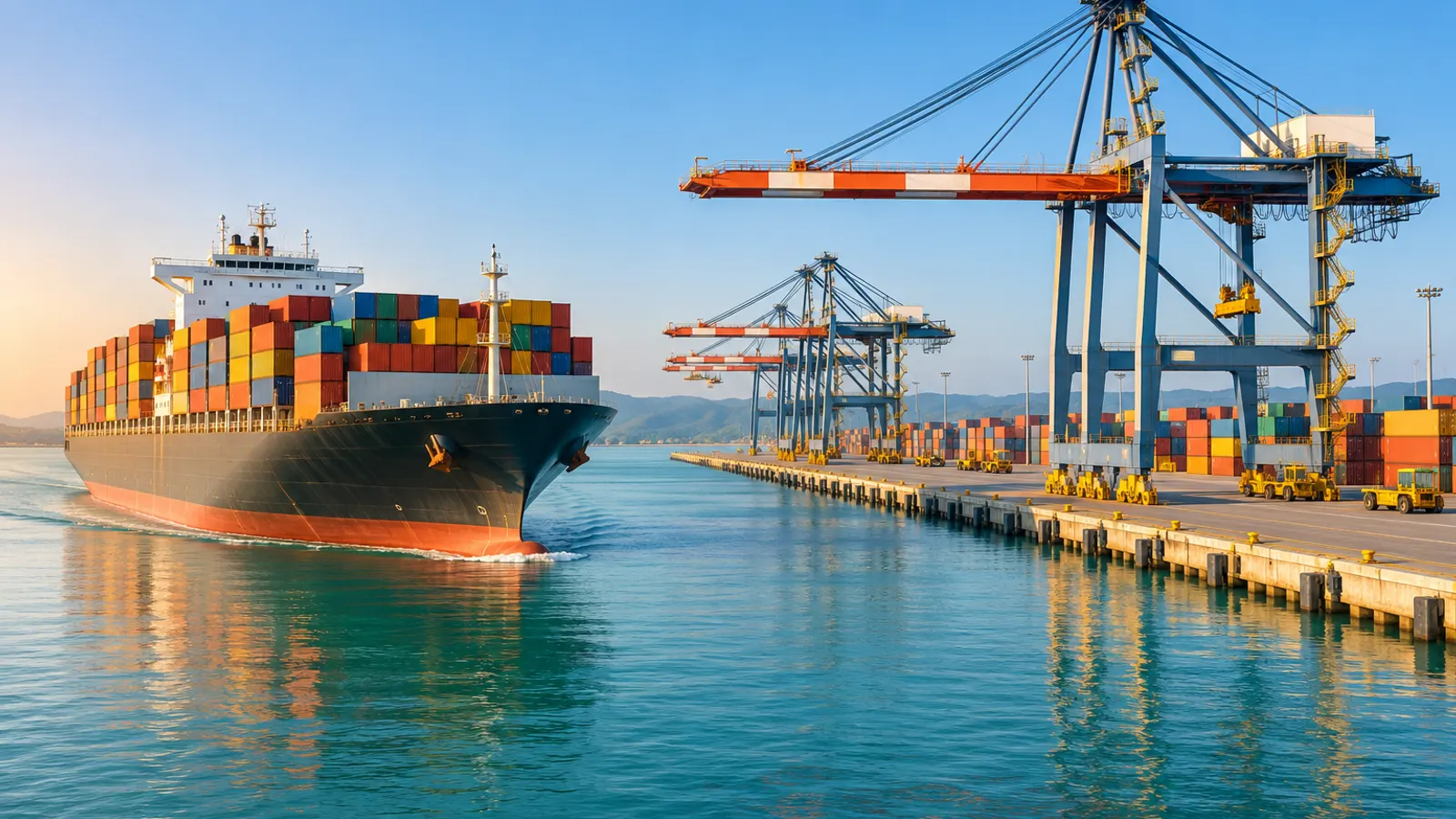
China is the largest source of goods coming into Dubai, and most of it arrives by sea at Jebel Ali. Whether you import a few cartons or several containers a month, the steps are the same: book the right space, get the documents right, clear customs and deliver. This guide explains how sea freight from China to Dubai works from the importer's side.
FCL or LCL
- FCL (full container load): you book a whole 20ft or 40ft container; best from about 13-15 CBM upwards or for goods that must not be mixed
- LCL (less than container load): your cargo shares a container and is charged by CBM or weight; best for small or trial orders
- LCL is cheaper for small volumes but takes longer, because cargo is consolidated in China and de-consolidated at a CFS in Jebel Ali
See FCL vs LCL: which to choose for a fuller comparison.
Main loading ports in China
Most cargo for Jebel Ali loads at Shanghai, Ningbo, Shenzhen (Yantian and Shekou), Guangzhou (Nansha), Qingdao, Xiamen and Tianjin. Choose the port closest to your supplier's factory to keep inland trucking in China short. Port-to-port transit to Jebel Ali is usually around 18 to 28 days depending on the port and the service, plus time for booking, loading and clearance.
Incoterms: who pays for what
Your Incoterm decides who controls the freight. On FOB, the supplier delivers to the vessel in China and you control the sea freight, which usually gives you better rates and visibility. On CIF or CFR, the supplier books the ship, but you still pay destination charges in Dubai, which can be high. On EXW, you handle everything from the factory door. Our Incoterms guide for UAE importers explains each term.
Documents you need
- Commercial invoice with clear descriptions, values and HS codes
- Packing list with piece counts, weights and CBM
- Bill of lading (original, telex release or sea waybill)
- Certificate of origin
- Permits for regulated goods such as food, cosmetics, chemicals, electronics with radios, or medical products
Read our guides on bill of lading release and telex release so your cargo is not held for paperwork.
Customs clearance and duty at Jebel Ali
When the ship arrives, the shipping line issues a delivery order once freight and local charges are paid and the bill of lading is released. An import declaration is then filed with Dubai Customs under the importer's code. Most goods pay 5% customs duty on the CIF value plus 5% VAT, with some goods exempt or restricted. Goods going into a free zone or for re-export can move under a different declaration. See our import customs clearance guide for the full steps.
Avoid demurrage and storage
Every container has a limited number of free days at the port. Prepare documents before the ship arrives, pay charges early and book trucking in time. Our demurrage and detention guide shows how to avoid extra costs.
Delivery to your warehouse
After clearance, the container is trucked to your warehouse anywhere in the UAE, or the cargo is unloaded at our partner facility for storage and onward delivery. We can also arrange container trucking and onward GCC trucking.
How NHK Logistics can help
NHK Logistics LLC handles FCL and LCL sea freight into Jebel Ali, import customs clearance, and land transport to your door. Send supplier location, cargo details, CBM or container size and your Incoterm via our contact page, or start with the freight quote checklist. This is general guidance; duty rates, transit times and rules change, so confirm the current position before you ship.
Need help with a shipment?
Send us the route and cargo details. We reply within 2 business hours.
Request a Quote