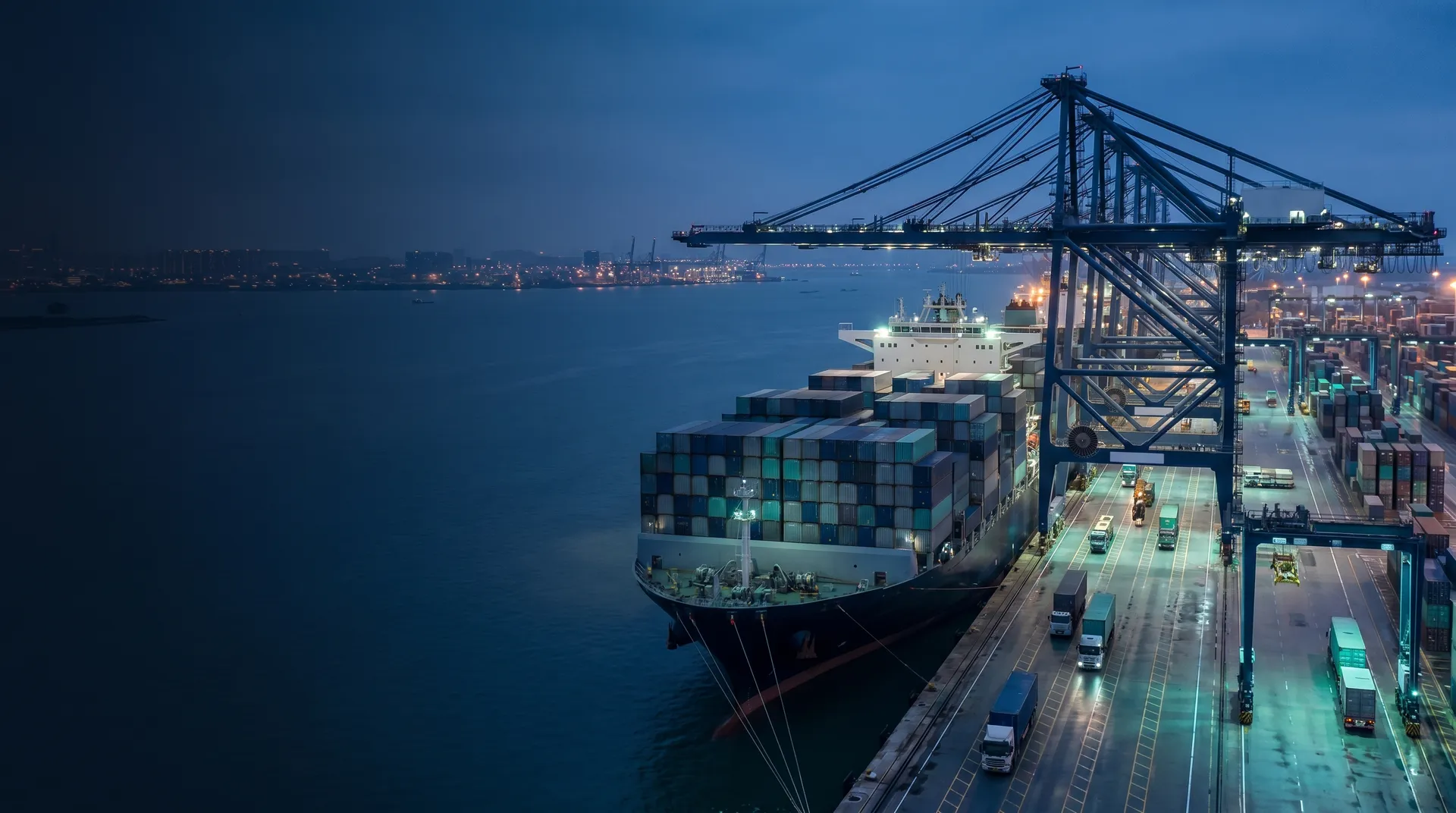
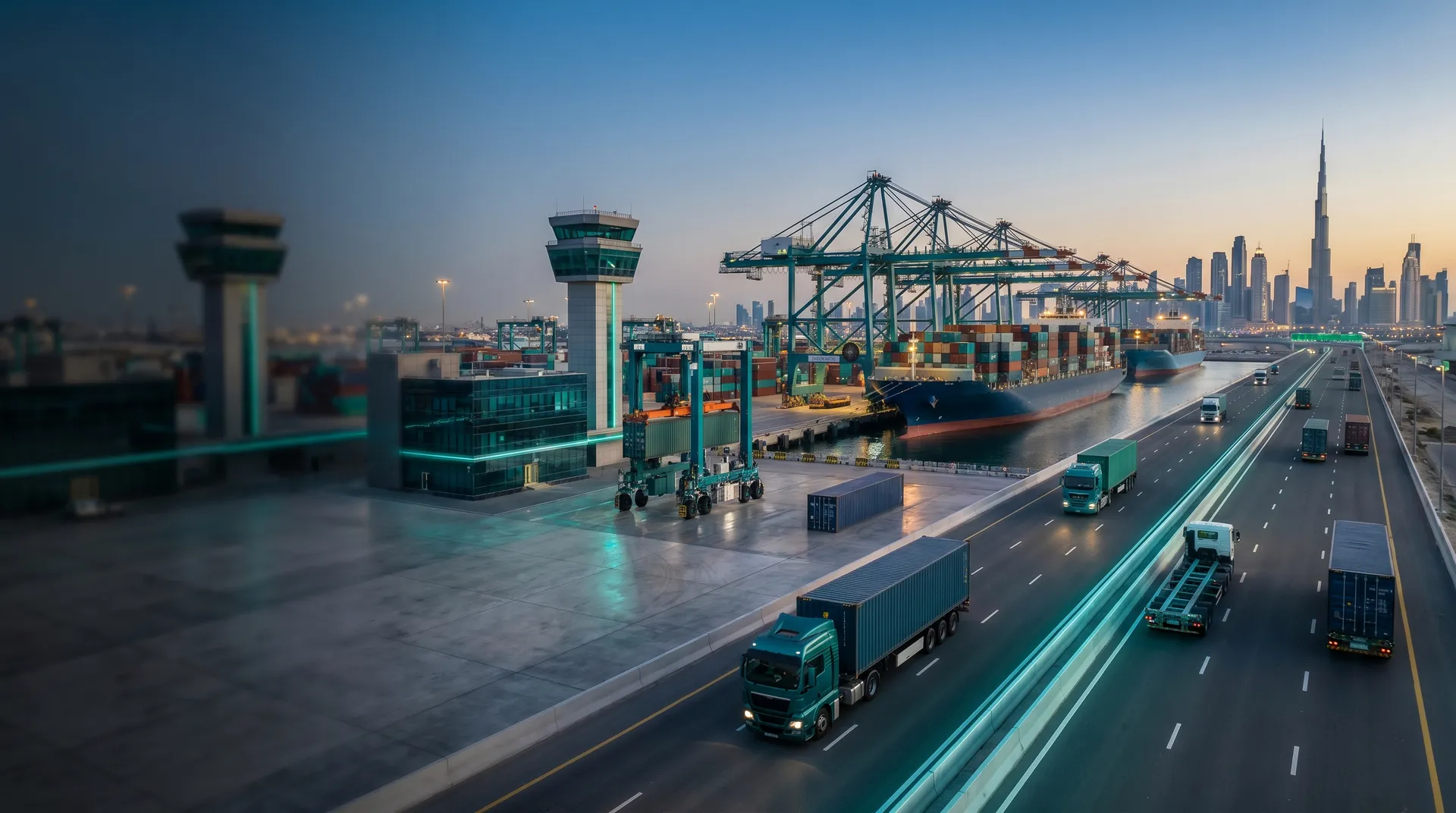
Sea freight port operations
SEA FREIGHT

FCL and LCL shipping built around realistic schedules and port discipline.

NHK Logistics supports full-container and less-than-container freight with routing, booking, port coordination, and quotations aligned to the cargo profile.

BOOKING LOGIC

Ocean freight planned around your cargo

FCL cargo flow

Container counts, equipment planning, and schedule visibility for dedicated box movements.

LCL cargo flow

Package-based execution for mixed cargo with clear dimension and consolidation handling.

Port and country validation

Origin and destination ports confirmed by UN/LOCODE before a booking is placed.

Sea-linked warehousing

Optional warehousing and cross-stuffing support when shipments need facility handover.

Sea freight container and port support
SEA FREIGHT ARTICLE

FCL and LCL need different handling logic

Full-container and less-than-container cargo may share the same vessel economy, but they rarely share the same operational needs. FCL revolves around equipment and schedule discipline, while LCL depends on package-level detail, consolidation timing, and smoother handovers.

NHK Logistics handles both with data-backed port validation and structured routing so clients can Erase Distance between pricing, booking clarity, and destination delivery planning.

Container planning

FCL loads aligned with equipment count, sailing options, and route practicality.

LCL detail control

Packages, volume, and dimensions kept clean for shared-container execution.

Port to inland follow-up

Destination-side handling stays linked to customs and warehousing where needed.

FAQ

Frequently asked questions

What is the difference between FCL and LCL?

+

With FCL (full container load) you book a whole container for your cargo. With LCL (less than container load) your cargo shares a container with other shipments and you pay for the space you use, which suits smaller volumes.

Should I ship FCL or LCL?

+

It depends on volume, cargo type, and how fixed your schedule is. Share the weight, dimensions, and number of packages and we will recommend the option that fits the shipment.

What details do you need for a sea freight quote?

+

Origin and destination port, a description of the cargo, total weight, and either the container type and quantity (FCL) or the package count and dimensions (LCL), plus the cargo ready date.

Can you arrange clearance and delivery after the vessel arrives?

+

Yes. Sea freight can be linked with customs clearance, warehousing or cross-stuffing, and inland transport so the cargo continues to its final destination.

Have a different question? Talk to our operations team.

GUIDES

Shipping guides from our team