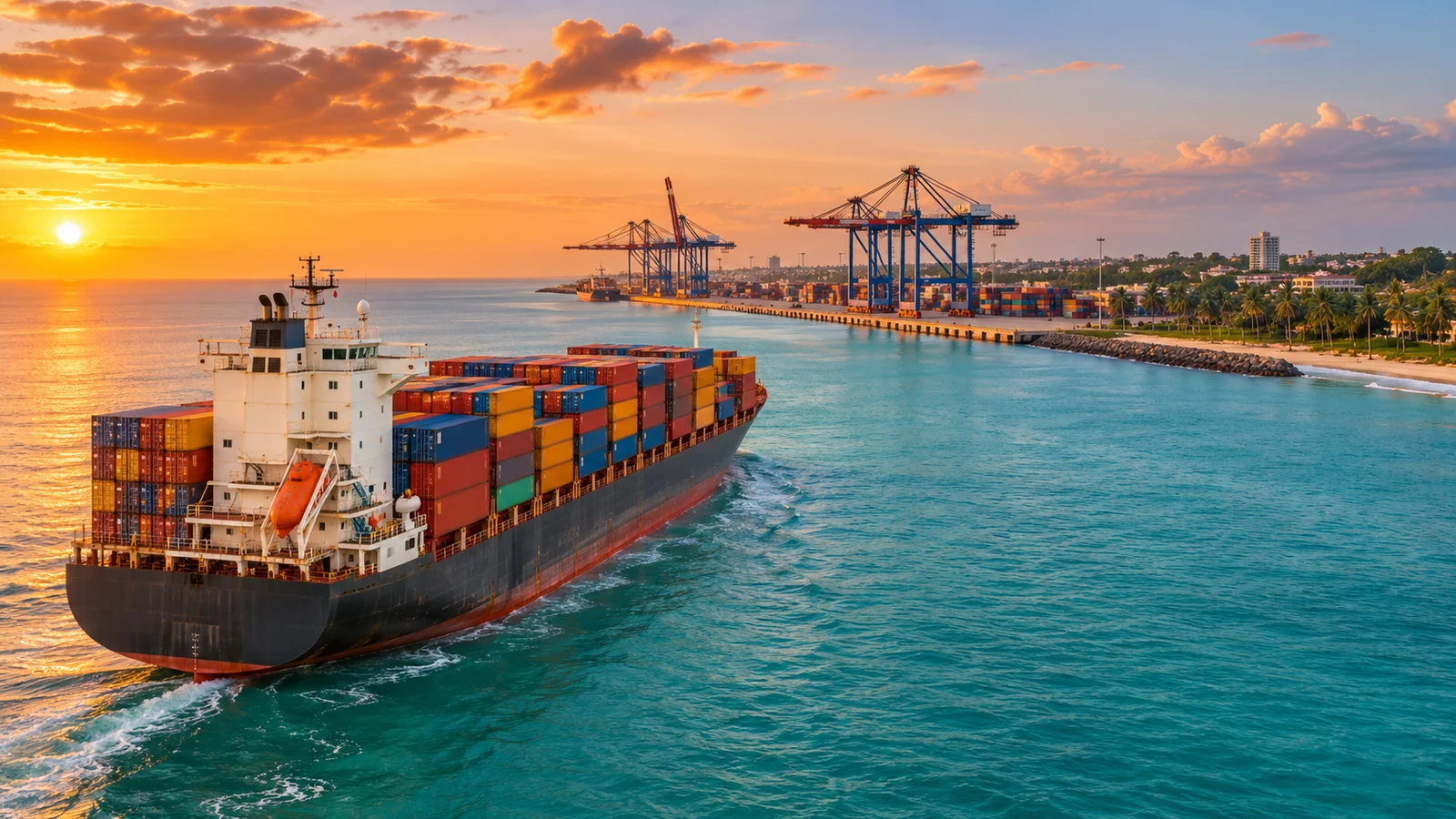
Dubai is one of the main supply hubs for East Africa. Traders in Kenya, Tanzania, Uganda and Rwanda buy electronics, building materials, auto parts, foodstuffs and general goods in Dubai and ship them from Jebel Ali. This guide explains how sea freight from Dubai to Mombasa and Dar es Salaam works, and what to prepare before you book.
The two main gateway ports
- Mombasa (Kenya): the main port for Kenya, and the start of the northern corridor by road and rail to Uganda, Rwanda, South Sudan and eastern DR Congo
- Dar es Salaam (Tanzania): the main port for Tanzania and the start of the central corridor to Rwanda, Burundi, Zambia, Malawi and DR Congo
- Other ports such as Zanzibar, Tanga, Mogadishu or Berbera are served too, but with fewer direct sailings
Landlocked buyers choose the gateway based on the inland route, the clearing agent they trust and the current waiting times at each port.
FCL or LCL
Full container loads suit traders who fill a 20ft or 40ft box, and they move faster through the destination port. LCL suits smaller orders: your cartons are consolidated at a CFS in Jebel Ali and shared with other shippers. Our FCL shipping guide and LCL shipping guide explain both. If you buy from several Dubai suppliers, a buyer's consolidation can turn them into one container.
Transit times
Direct sailings from Jebel Ali to Mombasa or Dar es Salaam usually take around one to two weeks at sea, and services with transhipment take longer. Port congestion, customs inspection and inland trucking add to the total. We quote a door-to-port or door-to-door range and confirm it at booking.
Documents to prepare
- Commercial invoice and packing list that match the cargo exactly
- Bill of lading (original, telex release or sea waybill, as agreed with the buyer)
- UAE export declaration and, where requested, a certificate of origin
- Destination pre-shipment requirements: some East African countries require a certificate of conformity or pre-export verification for certain goods, so check before loading
- Consignee's tax and import registration details for the destination customs entry
See our export customs clearance guide and bill of lading release guide for the Dubai side.
Inland delivery to Uganda, Rwanda and beyond
Cargo for landlocked countries usually moves in transit from the port by truck or rail under a customs bond, and is cleared for import at the final country. Ask early whether the container will be stripped at the port or travel through to the buyer, because container detention charges keep running while the box is inland. Our demurrage and detention guide explains how free time works.
Tips to avoid port delays
- Confirm destination certificate and permit requirements before the container is loaded
- Make sure descriptions, HS codes and weights match on every document
- Release the bill of lading only after payment terms are met; telex release is fast but has risks
- Ask for extended free time if the inland leg is long
- Use a reliable clearing agent at destination and share documents before the vessel arrives
Shipping to South Asia as well? Our Dubai to India sea freight guide covers Nhava Sheva, Mundra and Chennai.
How NHK Logistics can help
NHK Logistics LLC books FCL and LCL sea freight from Jebel Ali to East African ports, handles UAE export customs clearance, issues bills of lading through our NVOCC services and consolidates cargo from several suppliers at our Jebel Ali warehouse. Use our freight quote checklist and contact us with cargo, volume and destination. This is general guidance; port and customs rules change, so confirm the current position before you ship.
Need help with a shipment?
Send us the route and cargo details. We reply within 2 business hours.
Request a Quote