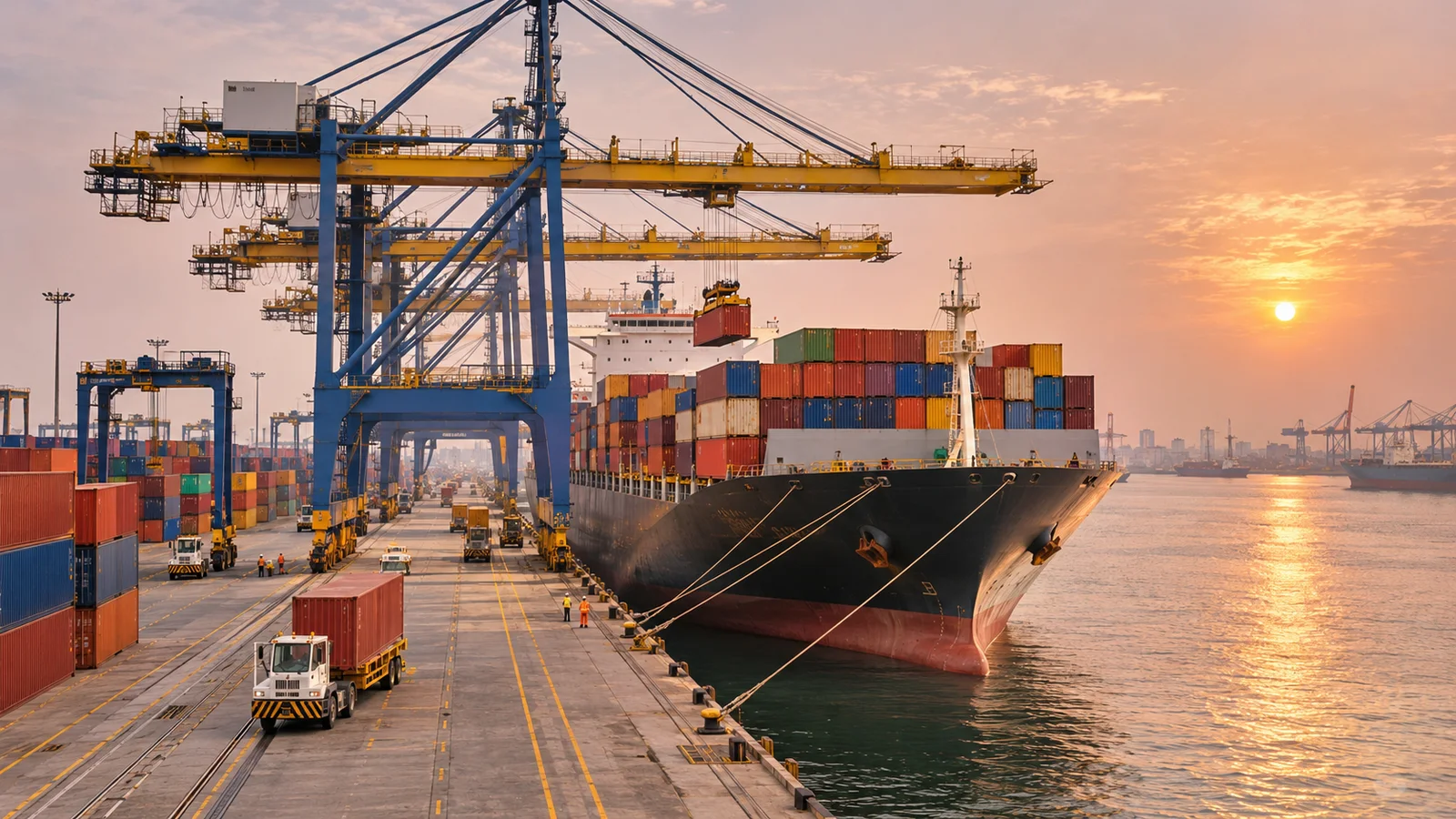
India is one of the busiest trade lanes out of Jebel Ali. Traders and manufacturers ship re-exported goods, machinery, scrap, chemicals, foodstuffs, personal effects and project equipment from Dubai to Indian ports every week. Because the sailing is short, the slow parts are usually documents and customs, not the sea leg. This guide explains how sea freight from Dubai to India works and what to prepare before you book.
Main Indian ports served from Jebel Ali
- Nhava Sheva (JNPT, Mumbai): the largest container gateway, serving Maharashtra and much of western and central India
- Mundra and Pipavav (Gujarat): fast-growing ports with good rail links to north India and inland container depots (ICDs) around Delhi
- Chennai and Kattupalli: the main gateways for Tamil Nadu and south-east India
- Cochin (Kochi) and Tuticorin: for Kerala and the far south
- Kolkata and Visakhapatnam: for the east, often with longer transit or transhipment
Many shipments are booked through to an inland container depot such as Tughlakabad, Patparganj, Ludhiana or Bangalore. Tell us the final city early, because the port choice changes the rail or road leg and the total transit.
FCL or LCL
A full 20ft or 40ft container suits regular shipments and moves faster through the Indian terminal. LCL suits smaller loads: your pallets are consolidated at a CFS in Jebel Ali and shared with other shippers. Our FCL shipping guide and LCL shipping guide cover the details, and the FCL vs LCL guide helps you decide. Buying from several UAE suppliers? A buyer's consolidation at our Jebel Ali warehouse can turn them into one container.
Transit times
Direct sailings from Jebel Ali to Nhava Sheva or Mundra often take only a few days at sea; Chennai, Cochin and the east coast take longer or go via transhipment. Port congestion, customs examination and the rail leg to an ICD add to the total. We quote a range at booking and confirm the vessel schedule and cut-off. Our container types, cut-offs and free time guide explains how cut-offs work.
Documents to prepare
- Commercial invoice and packing list that match the cargo exactly, with clear descriptions and HS codes
- Bill of lading: original, telex release or sea waybill, as agreed with the buyer
- UAE export or re-export declaration and, where needed, a certificate of origin
- Consignee's Indian Importer Exporter Code (IEC) and GST details for the bill of entry
- Product-specific papers where they apply, such as test or quality certificates, MSDS for chemicals, or licences for restricted goods
Our shipping documents checklist and export customs clearance guide explain the Dubai side. For goods that came into the UAE and leave again, see the transit and re-export guide.
Indian import clearance
In India the consignee's customs broker files a bill of entry, pays duty and IGST, and the container may be selected for examination. Valuation questions and description mismatches are the most common causes of hold-ups, so the invoice must show the real transaction value. Some goods, such as used machinery, scrap, food and electronics, have extra registration, inspection or certification rules; confirm them with the buyer's broker before loading. Duty rates are set by Indian customs and change, so we do not quote them as fixed figures.
Bill of lading and payment terms
Decide early whether the buyer needs an original bill, a telex release or a sea waybill. Telex release is quick, but read our telex release risks guide before agreeing to it on open terms. The full set of options is in our bill of lading release guide, and Incoterms decide who pays which leg.
Tips to avoid delays
- Check IEC, GST and any product licences with the consignee before the container is stuffed
- Keep descriptions, HS codes, weights and package counts identical on every document
- Ask for extra free time if the container is moving on to an inland depot
- Declare hazardous goods properly: see our dangerous goods guide
- Consider marine cargo insurance for valuable cargo
- Plan the Indian side to avoid demurrage and detention
How NHK Logistics can help
NHK Logistics LLC books FCL and LCL sea freight from Jebel Ali to Indian ports and inland depots, arranges container trucking from your supplier, handles UAE export customs clearance, issues bills of lading through our NVOCC services and manages the full move as your freight forwarder. Urgent parts can go by air freight instead. Use our freight quote checklist and contact us with cargo, volume and destination city. This is general guidance; port and customs rules change, so confirm the current position before you ship.
Need help with a shipment?
Send us the route and cargo details. We reply within 2 business hours.
Request a Quote